Electric automobiles represent a transformative shift in the automotive industry, offering a sustainable alternative to traditional vehicles. With advances in battery technology and global commitments to reducing carbon emissions, electric cars are poised to dominate future transportation. This article explores key aspects of electric automobiles, including their technology, market trends, and consumer considerations.

Electric automobiles are at the forefront of a transportation revolution, promising enhanced sustainability and reduced environmental impact. Unlike their gasoline-powered counterparts, electric vehicles (EVs) utilize electric motors and require no combustion of fossil fuels, marking a significant step toward cleaner mobility solutions. As environmental concerns grow, manufacturers and consumers are increasingly exploring electric automobiles for sustainable alternatives.
The automotive industry's shift towards electric automobiles is driven by multiple factors, including advances in technology, global emission standards, and consumer demand for eco-friendly transportation. Furthermore, governments worldwide are incentivizing electric vehicle adoption through tax benefits and infrastructure development, such as charging stations. The production and popularity of electric vehicles are expanding at an unprecedented rate. According to the International Energy Agency, there were over 10 million electric cars on the world's roads in 2020, and this number continues to grow.
In North America, several auto manufacturers have made significant announcements to transition towards electric vehicle production, committing to electrification plans that aim for an electric future. Major carmakers like General Motors announced aspirations to produce exclusively electric vehicles by 2035. Similarly, Ford is investing billions into electric vehicle development, planning to have 40% of its global lineup be electric by 2030. Such commitments underscore the shift in consumer preference toward sustainable options.
One of the primary drivers of electric automobile adoption is the significant advancement in battery technology, particularly lithium-ion batteries. These batteries offer increased range, faster charging times, and longer lifespan. Innovations such as solid-state batteries hold the promise of further enhancing these attributes, potentially reducing costs and increasing adoption rates. Additionally, developments in smart grid technology and renewable energy sources provide the necessary infrastructure for efficient electric vehicle use.
Moreover, advancements in energy management systems are making it possible to optimize how electric vehicles consume electricity. Modern EVs are now equipped with regenerative braking systems that harness energy typically lost during braking, converting it back to electricity and extending the vehicle's range. Additionally, over-the-air software updates allow manufacturers to improve vehicle performance and introduce new functionalities even after the cars have been sold, which is a significant shift from traditional automotive practices.
Autonomous driving technology also plays a critical role in the future of electric vehicles. Cars equipped with sensors, cameras, and artificial intelligence can not only enhance safety but also optimize energy consumption during travel. For instance, autonomous electric vehicles can communicate with traffic systems and one another to reduce congestion and improve travel efficiency, further supporting the notion of sustainability in urban environments.
The market for electric automobiles is rapidly expanding, with a wide variety of models now available, from luxury sedans to practical hatchbacks and SUVs. Leading automotive companies, such as Tesla, Nissan, and Chevrolet, are at the cutting edge of this market, constantly innovating to offer better performance, range, and affordability. In 2021, electric vehicles accounted for approximately 4.6% of all new car sales globally, a number that is expected to grow significantly as technology improves and production costs decrease.
A key trend in the market is the increase in partnerships between traditional automotive manufacturers and technology companies to accelerate the development of electric vehicle technology. Collaborations between companies like Ford and Google are focused on integrating artificial intelligence with automotive technology to enhance user experiences and operational efficiencies.
The growth of electric vehicles is not limited to consumer markets; the commercial vehicle sector is also witnessing a surge in demand for electric options. Delivery companies, public transportation systems, and ride-sharing services are experimenting with electric fleets, contributing to a decrease in carbon emissions and aligning with global sustainability goals. For instance, companies like Amazon have committed to using electric delivery vans, while cities are investing in electric public transit buses.
Additionally, the electric vehicle ecosystem is creating job opportunities in various sectors, from manufacturing to charging infrastructure development. The transition to EVs fosters innovation and creates a new marketplace filled with entrepreneurs, contributing to economic growth while addressing climate change issues.
Despite numerous advantages, electric automobiles face certain challenges that need addressing. A primary concern is the current infrastructure for charging stations, which, while expanding, is still insufficient in many regions. Range anxiety, or the fear of exhausting the vehicle's battery before reaching a charging station, remains a psychological barrier for many potential buyers. Many regions still lack robust charging networks, creating hesitance in consumers who may not have access to convenient charging options.
Furthermore, the time it takes to charge an electric vehicle—a few hours with standard chargers—can be a deterrent for some users accustomed to shorter refueling times with gasoline vehicles. Manufacturers are working on improving fast-charging technologies, which could radically change the landscape by reducing charging times to mere minutes, akin to that of traditional gas stations.
Finally, battery production raises environmental and ethical concerns, including mining impacts and recycling processes. The extraction of lithium and cobalt, essential components of today’s batteries, has raised concerns about environmental degradation and human rights abuses in mining regions. Finding sustainable methods for battery production and establishing recycling programs for used batteries are essential steps in ensuring the long-term viability of electric vehicles.
Education and public awareness are also critical in tackling these hurdles. Consumers need more information on charging infrastructure availability, the benefits of electric vehicles, and the advancements being made to alleviate range anxiety. Public campaigns and collaborations between automakers and local governments can enhance consumer confidence, ultimately accelerating the adoption of electric automobiles.
| Model | Range (miles) | Price |
|---|---|---|
| Tesla Model S | 396 | $89,000 |
| Nissan Leaf | 151 | $31,670 |
| Chevrolet Bolt EV | 259 | $36,620 |
| Ford Mustang Mach-E | 300 | $43,895 |
| Volkswagen ID.4 | 250 | $39,995 |
| Porsche Taycan | 227 | $81,250 |
| Hyundai Kona Electric | 258 | $34,000 |
| Rivian R1T | 314 | $67,500 |
The future of electric automobiles looks promising, with industry experts predicting that electric vehicles could make up a significant portion of the global car fleet by the next decade. Major automotive manufacturers are dedicating resources to research and development to enhance battery efficiency and affordability while reducing environmental impact. The automotive landscape is projected to evolve significantly with electric vehicles leading the charge towards sustainable transport.
Legislative support is also crucial in shaping a favorable environment for electric vehicle adoption. New regulations mandating stricter emissions targets are pushing manufacturers to accelerate their electric vehicle offerings. The European Union, for example, aims to become climate-neutral by 2050, which involves substantial cuts in greenhouse gas emissions across all sectors, including transportation.
Consumer preferences are evolving, with more individuals opting for electric vehicles as they recognize the benefits tied to sustainability and cost savings. As electric vehicle technology becomes more integrated into daily life, additional innovations may emerge, including smart vehicles capable of communicating not just with one another but also with smart cities focused on efficient energy use. This integration will enable electric vehicles to play a pivotal role in future smart transportation systems.
Electric automobiles represent not just a trend, but a fundamental shift in how we envision future transportation. As technology continues to advance and market dynamics evolve, electric vehicles are set to become a cornerstone of sustainable living. Understanding their benefits and challenges is critical for consumers and policymakers looking to embrace this innovative transition. The journey towards a cleaner and more efficient transportation system has just begun, and electric automobiles will undoubtedly play a pivotal role in that future, reshaping how society approaches mobility.
Q: How long does it take to charge an electric car?
A: Charging times vary depending on the vehicle and the charger type. Rapid chargers can recharge a car up to 80% in about 30-60 minutes, while standard home chargers usually take several hours. Additionally, charging at home overnight is often a convenient option for many EV owners, allowing the vehicle to be ready to go by morning.
Q: Are electric automobiles expensive to maintain?
A: Generally, electric vehicles have lower maintenance costs because they have fewer moving parts and don't require oil changes. Additionally, there are fewer components that are prone to wear and tear, resulting in a lower frequency of repairs. Studies have shown that EV owners spend about 50% less on maintenance when compared to gasoline vehicle owners, further reinforcing the financial benefits.
Q: What happens when electric vehicle batteries reach the end of their life?
A: At the end of their life, electric vehicle batteries can be recycled and repurposed for other uses. Many manufacturers are exploring second-life applications, where used batteries can be employed for energy storage in homes and businesses or integrated into renewable energy systems. Furthermore, recycling programs are being established to recover valuable materials from old batteries, significantly reducing the demand for new raw materials.
Q: Will electric cars replace gasoline cars entirely?
A: While it is unlikely that electric cars will completely replace gasoline vehicles in the short term, the trend suggests a substantial shift towards electrification in the coming years. With increasing regulations on emissions, falling battery costs, and expanding infrastructure, electric cars are expected to become the dominant form of personal transportation over time. This transition will depend significantly on government policies, advancements in technology, and consumer adoption rates.
Q: How can I determine if an electric vehicle is right for me?
A: To determine if an electric vehicle suits you, consider factors like your daily driving distance, access to charging infrastructure, budget for upfront costs, and environmental considerations. Test driving different models and evaluating their performance, range, and charging options can provide valuable insights. Assessing your lifestyle and willingness to adapt to new refueling habits is also an important step in this decision-making process.
Striking the Perfect Balance: Navigating Premiums and Out-of-Pocket Expenses in Senior Insurance Plans

Explore the Tranquil Bliss of Idyllic Rural Retreats

How to Make Lasting Memories at Disneyland Attractions

Affordable Phones and Plans for Seniors

Affordable Full Mouth Dental Implants Near You

Unlock the Top Kept Secrets to Finding Your Ideal Dentist for Flawless Dental Implant Results!

Discovering Springdale Estates

The Guide to Car Trading

Affordable Cell Phones Without Plans

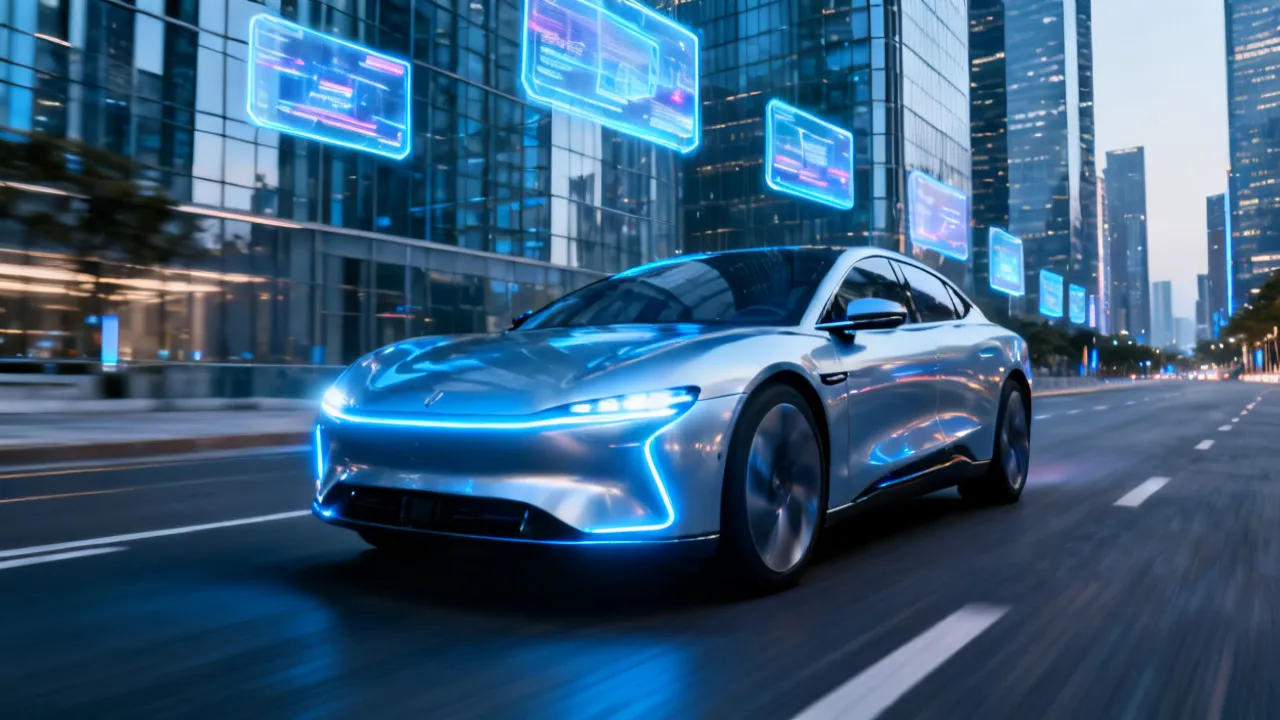
The Rise of Electric Automobiles
Electric automobiles represent a significant shift in the automotive industry, focusing on sustainability and innovation. These vehicles utilize electric propulsion systems, as opposed to traditional internal combustion engines, offering benefits such as reduced emissions and enhanced efficiency. As technology advances, electric automobiles are becoming increasingly appealing to consumers and are seen as a critical element in the global push towards greener transportation solutions.
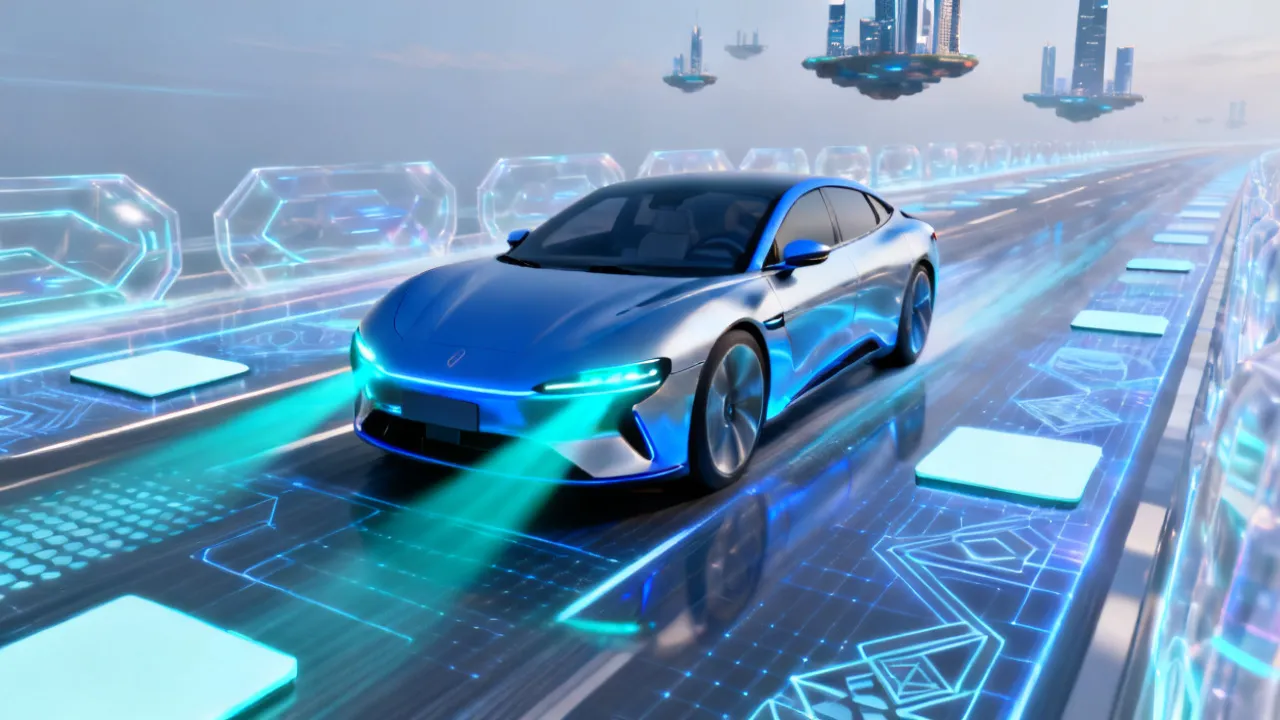
The Rise of Electric Automobiles
Electric automobiles are becoming increasingly integral to the automotive industry, representing a shift towards more sustainable transportation solutions. These vehicles, powered by electric motors instead of internal combustion engines, offer numerous advantages such as reduced emissions and lower operating costs. This comprehensive guide explores the various aspects of electric automobiles, including their technology, market trends, and future outlook.
Understanding Electric Automobiles Today
Electric automobiles represent a transformative shift in the automotive industry, offering a sustainable alternative to traditional vehicles. With advances in battery technology and global commitments to reducing carbon emissions, electric cars are poised to dominate future transportation. This article explores key aspects of electric automobiles, including their technology, market trends, and consumer considerations.
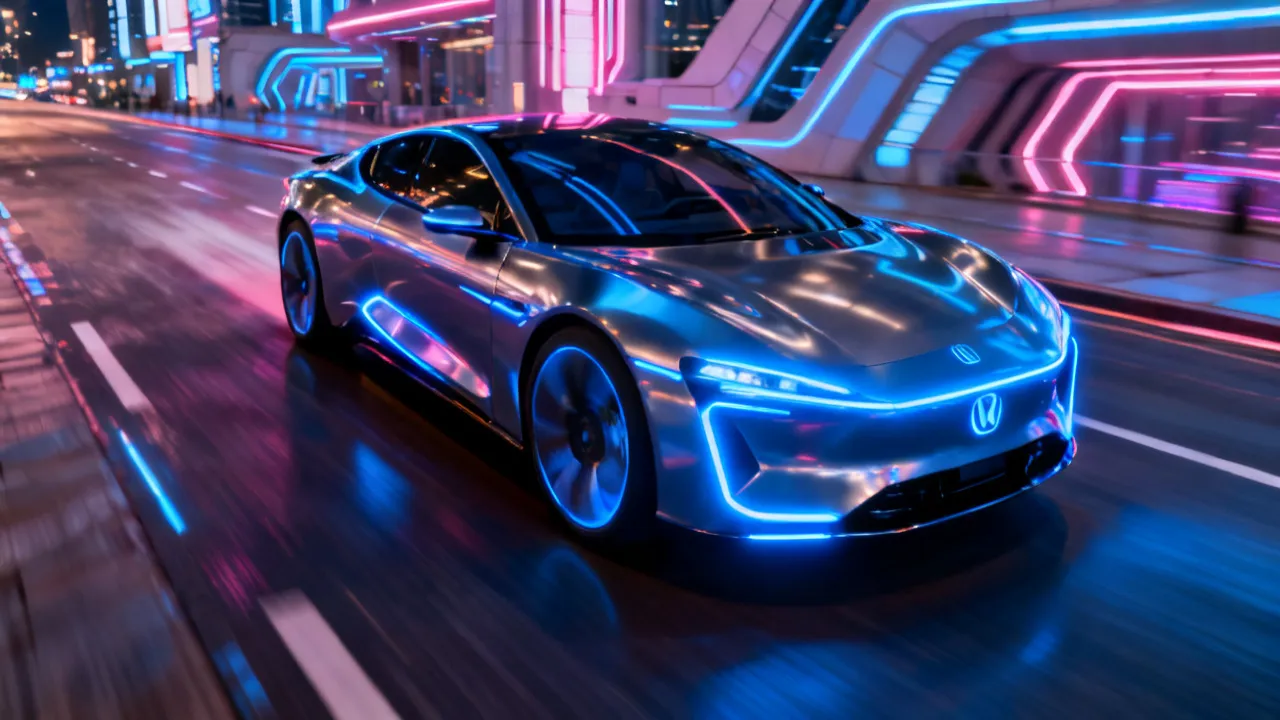
The Rise of Electric Automobiles
Electric automobiles are revolutionizing the transportation industry, gaining traction for their environmental and economic benefits. As technology advances, electric vehicles (EVs) are becoming increasingly accessible and efficient, contributing to reduced carbon emissions and promoting sustainable energy usage. This article explores the current landscape, challenges, and future potential of electric automobiles.
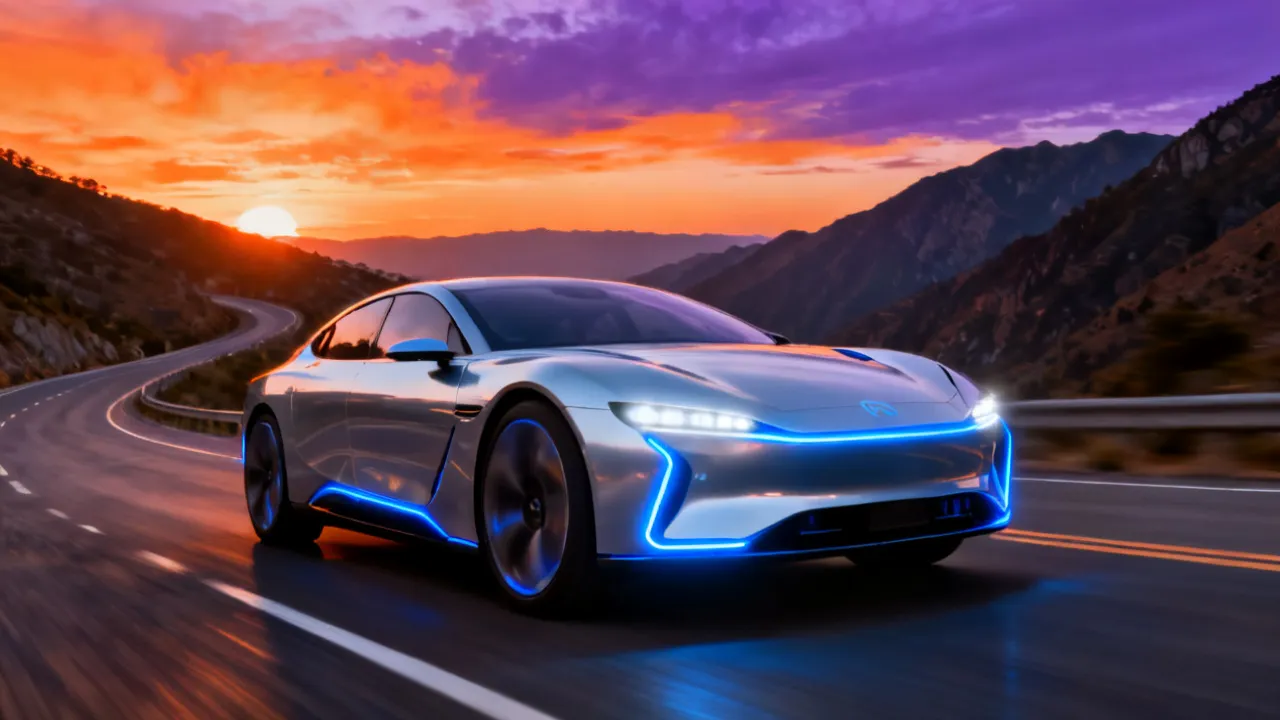
Revolutionizing Transport with Electric Automobiles
Electric automobiles are at the forefront of a transformative shift in transportation as they redefine efficiency and sustainability standards. Driven by the need to reduce emissions and embrace renewable energy, electric vehicles (EVs) have rapidly evolved, offering consumers an eco-friendly alternative to traditional gasoline-powered cars. This comprehensive guide explores the key features, benefits, and industry insights related to electric automobiles.
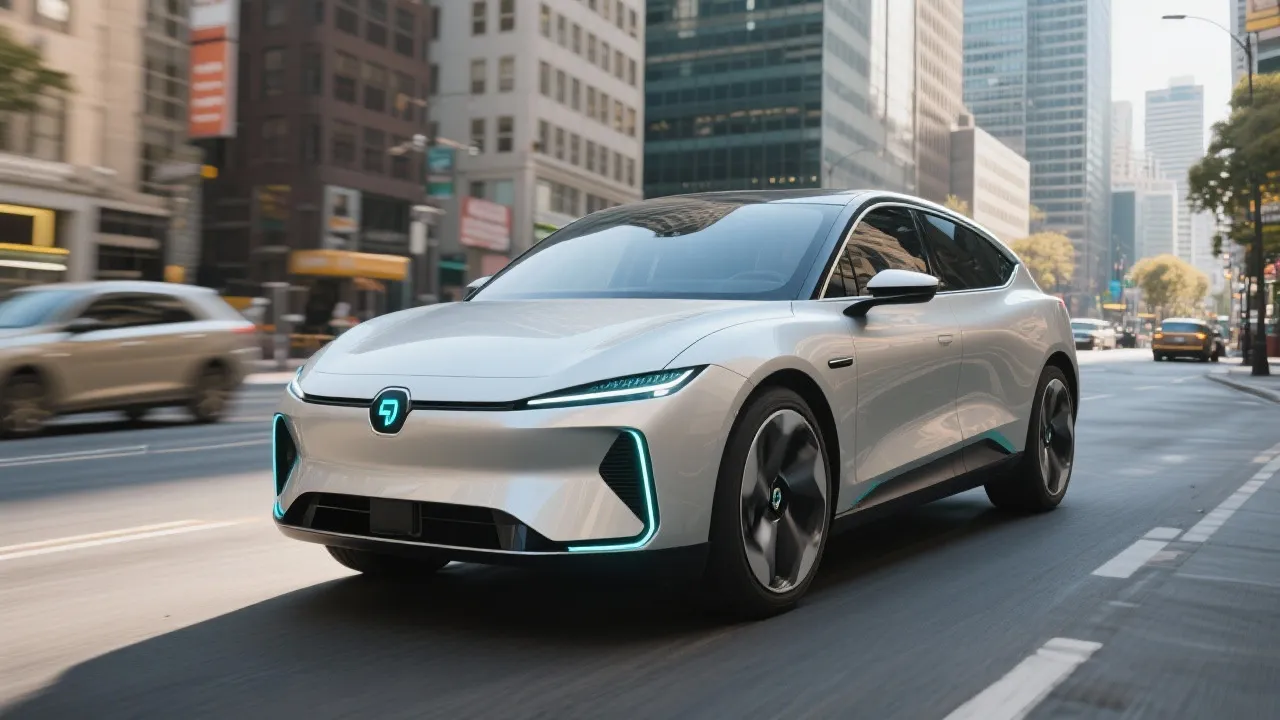
Navigating the Awd Phev Landscape
This guide explores the AWD PHEV market and its impact on modern transportation. Platform Hybrid Electric Vehicles (PHEVs) with All-Wheel Drive (AWD) are evolving rapidly and offer a sustainable alternative to traditional vehicles by combining electric and gas power for efficiency and adaptability. As demand rises, this article analyzes the technological innovations and adoption trends.
